


If you've ever asked yourself, "how do I know if I had an orgasm?" you're definitely not alone. Many women wonder about this because the female climax can feel different for everyone.
Unlike the obvious signs that happen with men, women's orgasms can be subtle or confusing.
This guide will help you understand the real signs of an orgasm so you can better recognize what's happening in your body.
Quick Signs You Had an Orgasm ⚡:
- Rhythmic muscle contractions in your pelvic area, vagina, or anus
- Sudden rush of intense pleasure that builds up, peaks, then releases
- Fast heartbeat and breathing during and right after climax
- Heightened sensitivity followed by deep relaxation
- Emotional release, like euphoria, tears of joy, or even laughter
- Increased wetness from the extra lubrication your body produces
What an Orgasm Really Is

An orgasm is a natural physical and emotional release that occurs when sexual arousal reaches its highest point. It is the body’s way of releasing built-up tension through a series of reflexive muscle contractions and changes in brain activity.
For most people, this response is experienced as intensely pleasurable and often brings feelings of relaxation and satisfaction afterward.
How the Body Responds During Orgasm
When arousal builds, blood flow increases to the pelvic region, sensitivity rises, and tension develops in the muscles.
Once your body reaches its peak, orgasm occurs almost like an automatic reflex; you cannot consciously stop or control it.
Here’s what happens physically:
- Muscle contractions – The uterus, vaginal walls, and pelvic floor muscles contract rhythmically. These contractions usually occur every 0.8 seconds and create the pulsing sensation associated with orgasm.
- Full-body response – Beyond the pelvic region, many people feel muscle tightening in other areas, such as the thighs, abdomen, or even the face and hands.
- Release of tension – Just like a sneeze builds pressure before bursting out in relief, orgasm follows the same pattern of build-up and release.
Duration and Frequency of Contractions
Research shows that orgasms generally last anywhere between a few seconds and 15 seconds. However, some can extend up to a minute or longer, depending on the individual.
The number of muscle contractions during orgasm ranges from about 3 to 15, though intensity and rhythm can vary.
🍑Also Read: Things You Never Knew About Climaxing and Beyond
Physical Signs You Had an Orgasm

Knowing the physical signs of an orgasm can help you understand how your body responds during sexual pleasure.
From muscle contractions and flushed skin to a rush of relaxation afterward, these natural signals are proof that your body has reached its peak.
Muscle Contractions in Your Pelvic Area
The clearest sign of an orgasm is rhythmic muscle contractions in your pelvic region. These happen in your:
- Vaginal muscles that squeeze and release rhythmically
- Anal muscles that contract at the same time
- Uterine muscles that also join in the contractions
- The pelvic floor muscles that support all your pelvic organs
You can actually feel these contractions if you put a finger inside your vagina during orgasm. Many women describe feeling their muscles "gripping" or "pulsing" around their finger.
Changes in Your Breathing and Heart Rate
During orgasm, your body goes into overdrive. Your heart beats faster, you breathe more quickly, and your blood pressure goes up.
Right after orgasm, you might notice you're breathing heavily or your heart is pounding. This is totally normal and shows your body just had an intense physical response.
Body Flushing and Sweating
Many women get a "sex flush" during orgasm, which looks like red or pink patches on their face, neck, or chest.
You might also sweat more than usual, especially if the orgasm was particularly intense. Your skin might feel warm or tingly all over.
Increased Sensitivity Then Sudden Drop
Right before and during orgasm, your genitals become super sensitive to touch. But immediately after orgasm, many women find their clitoris becomes too sensitive to touch, almost painful.
This sudden change from "more please" to "stop touching me" is a clear sign you just had an orgasm.
🍑Also Read: How to Have the Best Orgasm | 7 Things to Keep In Mind
Emotional and Mental Signs of Climax
Emotional and mental signs of climax often include feelings of deep relaxation, happiness, or even a stronger sense of connection with your partner.
These mental shifts occur because your brain releases feel-good chemicals, such as dopamine and oxytocin, which boost both pleasure and intimacy.
Sudden Emotional Release
Orgasms aren't just physical. They can also trigger intense emotional responses. During orgasm, your brain releases a flood of hormones, including oxytocin (the bonding hormone), dopamine (pleasure hormone), and endorphins (feel-good chemicals).
This hormone rush can make you:
- Feel euphoric or incredibly happy
- Start crying tears of joy (this is called "crymaxing")
- Laugh uncontrollably
- Feel emotionally overwhelmed in a good way
If you've ever felt like crying after really good sex or felt an intense emotional release, that's likely a sign you had an orgasm.
Mental "Fog" or Altered State
During orgasm, the part of your brain responsible for anxiety and fear becomes less active.
Many women describe feeling like their minds went blank or they entered an altered state of consciousness. You might feel:
- Like your mind "went somewhere else" for a moment
- Dizzy or lightheaded afterward
- Unable to think clearly for 10-20 minutes after
- Like you lost control of your body temporarily
Deep Relaxation and Sleepiness
After the intense muscle contractions and hormone release, your body naturally wants to relax.
Many women feel deeply peaceful, satisfied, or even sleepy after an orgasm.
This happens because your body releases prolactin, a hormone that promotes relaxation and can cause drowsiness.
🍑Also Read: Forced Orgasm | How It Feels and Why to Try It
Signs You Were Close, But Didn’t Quite Climax
It is common to feel very aroused and then not reach orgasm, and understanding these “almost there” signs can help you adjust for next time.
When your body is at a high point of excitement but does not cross the threshold into climax, it can leave you feeling unsatisfied or overly sensitive.
How to Recognize a Near-Miss Orgasm
- You feel intense arousal and pleasure, but there are no involuntary muscle pulses in the pelvic floor.
- The sensation peaks and then levels out into a plateau before slowly fading.
- Your muscles may tighten with anticipation, but there is no sense of release.
- Sometimes you may stop due to overstimulation, sensitivity, or losing focus.
What to Do to Reach Orgasm
- Steady clitoral focus – Consistent stimulation is often needed to move past the plateau stage.
- Controlled pressure – Experiment with pressure you can maintain and adjust so it feels enjoyable without becoming overwhelming.
- Use quality lubricant – Proper lubrication reduces friction, heightens sensation, and makes pleasure easier to sustain until climax.
- Relax and stay present – Anxiety or distraction can interrupt the buildup, so focus on remaining relaxed and attuned to your body’s sensations.
Paying attention to near-miss cues can help you learn what your body needs to cross into orgasm fully.
With practice, adjustments, and the right conditions, you can make those almost-there moments turn into fulfilling climaxes.
Why Some Women Don't Feel Orgasms Clearly

Some women do not feel orgasms clearly because factors like stress, medical conditions, hormonal changes, or even lack of focused stimulation can affect the experience.
Understanding these influences can help you identify what your body needs for stronger, more noticeable climaxes.
Physical Factors
Several physical factors can make orgasms less noticeable:
- Nerve sensitivity differences - Some women have less sensitive nerves in their genital area
- Hormonal changes during menstrual cycles, pregnancy, or menopause
- Medications that affect sexual response
- Medical conditions affecting blood flow or nerve function
Emotional and Mental Barriers
Your mental state hugely affects your ability to feel and recognize orgasm:
- Stress or anxiety can mask physical sensations
- Lack of body awareness from not paying attention to physical sensations
- Pressure to perform or have a "perfect" orgasm
- Past trauma that disconnects you from your body
Lack of Sexual Education
Many women simply don't know what to look for because they've never learned about their own bodies. Unlike men, who have obvious physical signs, women need to learn to tune into subtler signals.
🍑Also Read: How to Cum More in Sex: Easy Techniques That Actually Work
Tips to Experience Orgasms More Consistently
Experiencing orgasms more consistently often comes down to knowing your body, using the proper techniques, and creating a relaxed mindset.
With steady stimulation, good communication, and tools like lube or vibrators, many women find it easier to enjoy reliable and satisfying climaxes.
Communicate With Your Partner
If you're having sex with a partner, clear communication is key. Let them know:
- What feels good and what doesn't
- If you need more or less pressure
- If you want them to keep doing exactly what they're doing
- If you need more time or different stimulation
Remember, most women need 20 minutes or more of stimulation to reach orgasm, which is totally normal.
Experiment With Different Techniques
Every woman's body responds differently, so it's worth trying various approaches:
- Different types of clitoral stimulation - circular motions, up and down, side to side
- Varying pressure - some women need firm pressure, others prefer light touches
- Internal and external combination - stimulating your G-spot and clitoris at the same time
- Using lubrication to reduce friction and increase comfort
Consider Sex Toys for Enhanced Experience
Sex toys can be incredibly helpful for learning about your body and experiencing more consistent orgasms.
Research shows they can help women reach orgasm more easily and with greater intensity.
Consider exploring:
- Clit Sucking Vibrators - These provide gentle suction and vibration that many women find incredibly effective
- Orgasm Toys - A variety of toys designed specifically to enhance orgasmic pleasure
- Prostate Orgasm Toys - For exploring different types of internal stimulation with a partner
Strengthen Your Pelvic Floor
Research shows that stronger pelvic floor muscles can lead to more intense orgasms. The muscles that contract during orgasm are the same ones you can strengthen with Kegel exercises. A stronger pelvic floor means:
- More intense orgasmic contractions
- Better ability to feel the contractions
- Improved sexual satisfaction overall
Sex Toys That'll Give You So Many Orgasms
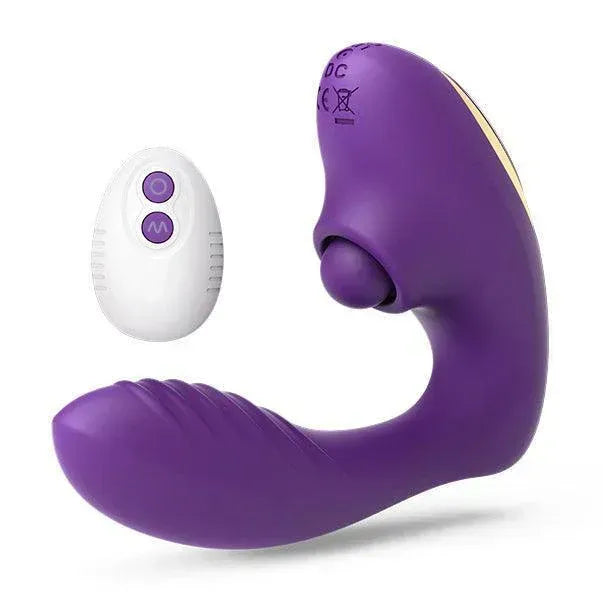
The OG Pop Clitoral Tapping Vibrator uses gentle tapping motions right on your sweet spot, giving you toe-curling orgasms that feel totally different from regular vibes. It’s like getting a love tap exactly where you want it.
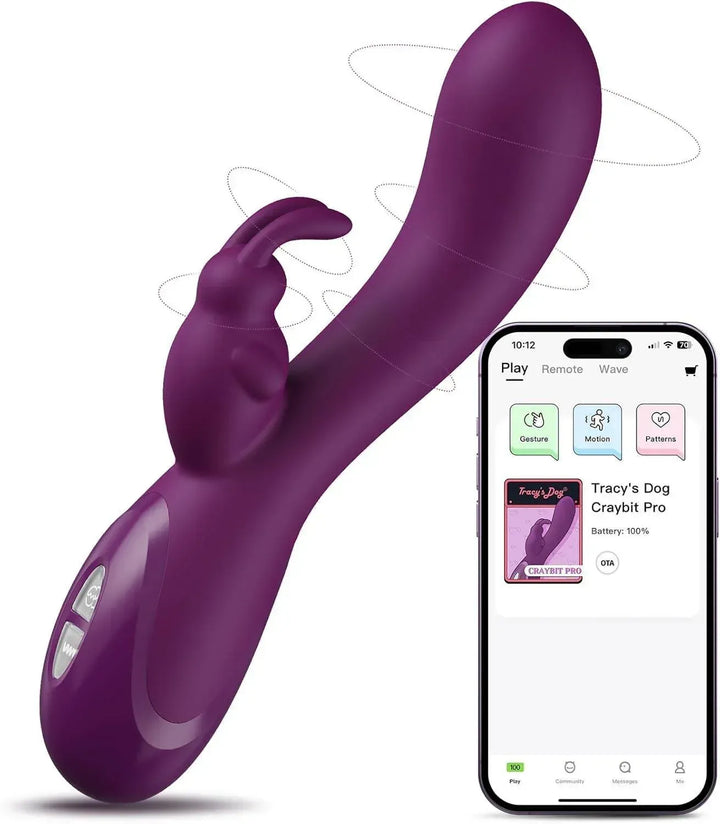
The Craybit Pro App-Controlled Rabbit Vibrator brings powerful dual stimulation and lets you (or a partner) control every vibe from anywhere.
Mix the deep internal buzz with the playful bunny ears, and you’ll hit new heights in your solo or partnered sessions.
Conclusion
Learning to recognize if you have had an orgasm is really about becoming more in tune with your own body.
Some signs are easy to notice, like muscle contractions, changes in breathing, or a wave of intense release, while others can be more subtle.
Every woman’s experience is different, and there is no single “right” way to climax. Orgasms can be loud or quiet, clitoral or vaginal, quick or long-lasting, and all are valid.
What matters most is that you feel satisfied, comfortable, and connected to your own pleasure.
Remember, sexual pleasure is your birthright, and understanding your body's responses is an important part of overall wellness and self-care.
FAQs: How To Know If You Had An Orgasm
How do I know if I had an orgasm or just intense arousal?
Orgasm usually includes involuntary muscle contractions that feel like pulsing or squeezing in your pelvic area, plus a sudden release of built-up tension. Arousal feels like steady pleasure that keeps building, while orgasm has a clear peak followed by release and often a drop in sensitivity.
Can you have an orgasm without knowing it?
Yes, especially if it's subtle. Some women experience gentle waves of pleasure and muscle contractions that are easy to miss if you're not paying attention. You might notice afterward that you feel relaxed, satisfied, or like the tension has been released from your body.
Do all women orgasm the same way?
Absolutely not. Research shows a huge variety in how women experience orgasm. Some feel it mostly in their genitals, others feel it throughout their whole body. Some have intense contractions they can clearly feel, and others have subtle sensations. The timing, intensity, and sensations can vary based on your cycle, stress level, and many other factors.
Is it normal to feel nothing during sex, even when I think I'm aroused?
This can happen for many reason,s including stress, medications, hormonal changes, or simply not getting the right type of stimulation for your body. If you're concerned, it's worth talking to a doctor or sex therapist who can help identify potential causes and solutions.